Furniture has been a favourite area for design projects since the beginning of design technology. Furniture is one of the functional items that all of us need. We have put more effort than any other species on the planet into not lying in the mud.
Once we accept this basic design requirement we can then start to address the other aspects of furniture and its requirements if you will pardon the pun "From The Ground Up"
This project is tagged at all levels as once again its purpose is primarily to be an 'agent provocateur'. It is here to try to promote improved thinking and help with the process of generating ideas.
At all keystages I would discuss the subject or ergonomics and compare the furniture from the junior school to the current classroom. I would also look at how many of the devices around the room fail the disability test. How many of the machines in the workshop can be operated from a wheelchair, particularly item like pillar drills, sanding machines etc. items that will be part of a D&T course from year 6.
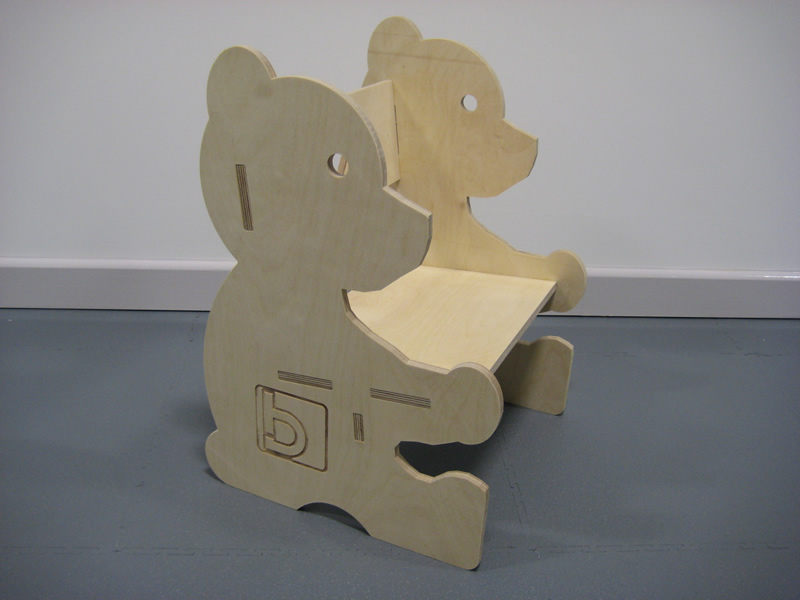
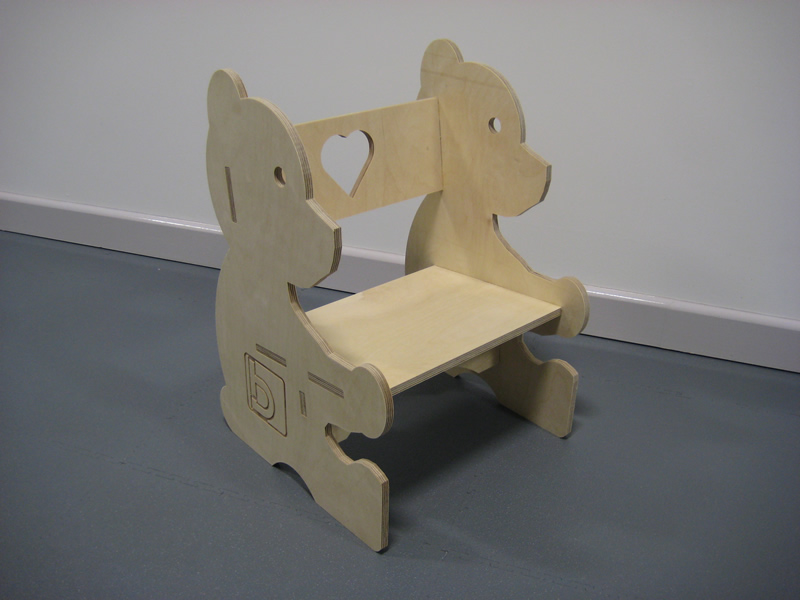
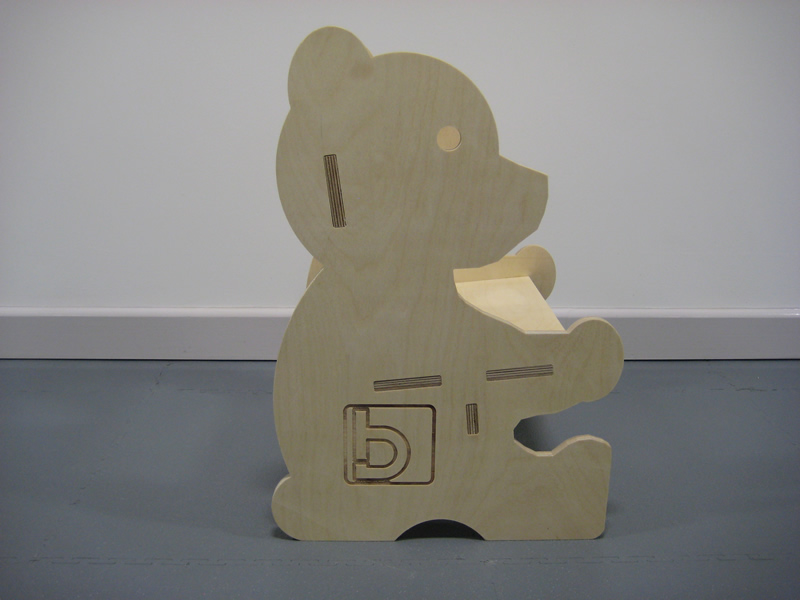
I would also look at the design of the teddy bear as this has been drawn to put a child at ease, as I was once told on a CPD day people like people who are like themselves, we all warm to the stranger in the bus queue when we find they are from our home town or went to the same school etc. Children feel secure amongst other children we learn very young to identify other children and one of the classic triggers is big head on a small body. If you look at any soft toy the head is usually out of proportion to the body. On this project you will notice that the head is a third of the overall height and for this reason we automatically perceive the bear as friendly. If everything was drawn in proportion then the chair although now anatomically correct would lose its charm.
At keystage 3 I would expect the project to be narrowed down to a relatively localised brief. Possibly for the design of a ipod or ipad holder or a charging rack or desk holder. I would be using the project not to make a finished artifact but to begin building the pupils modeling skills. We often forget that a good model can highlight many problems that we may not have perceived at the drawing stage. At Boxford we have proved this in real life with one of our recent machine developments, the production of a Zcorp prototype allowed us to notice that a tin cover would foul the new part under certain circumstances and we were able to design out the problem before the first real component was manufactured. This shortcutting of problems is vital to the pace of modern industry.
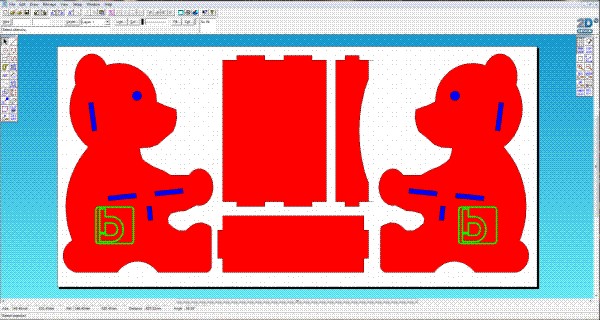
At keystage 4 I would add a research and short portfolio production section asking the students to look into the area of Nomadic furniture and its design. Nomadic people have very specific problems the furniture must be serviceable and collapsible to be easily carried. On the web there are many examples of the ingenuity that Nomadic people have employed to make serviceable but portable solutions. As you get further into the project ask the pupils where they think the same thinking would apply to modern life, I would expect pupils to get the camping and caravanning market but the real link is with the likes of Ikea. Their furniture is designed on Nomadic lines far more than is at first apparent not because of the requirements of the end user but from the requirement of the manufacturer. Traditional furniture was bought complete and delivered by the shop, now we feel no hardship in cramming the latest acquisition in the back of the car with the kids and building the whole project ourselves at home. There is a whole area of study of the history of the flat pack and now we are extending the idea to houses this would function as an extension task for any G&T pupils.
At AS level I would suggest you introduce a brief that would have additional value for students that may then go on to take a degree course at University. I would start with the research into Nomadic furniture and then give them a brief of creating a whole set of student furniture from heavy corrugated cardboard. The brief would be to create structures that are light can be easily compacted and moved, students in their first year often have to vacate halls during holidays so portability and low cost or even disposability can be a valuable attribute for all their possessions.
Should you not be able to get access to sufficient cardboard in the school which is rare, second hand box companies are a very useful source of large multiple ply cardboard boxes or sheets they often have boxes that they cannot use and would be glad not to have to pay for disposal. It is worth making pupils aware of this resource as they can source their own materials in the future should they embrace this solution.
|